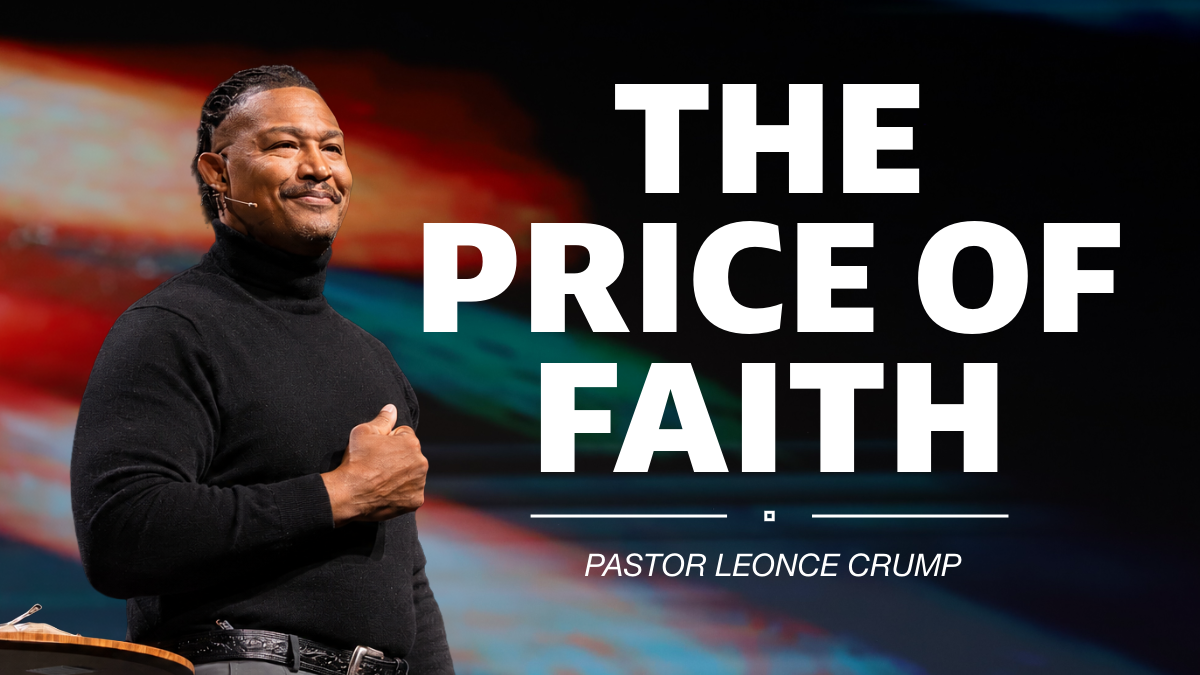
5 Day Devotional
This five-day devotional invites you to step deeper into the confrontation at Ephesus and the questions it raises about real faith. As you move through these days, you’ll reflect on spiritual authority, confession, costly repentance, and the competing “assemblies” shaping your heart. Along the way, you’ll end at the gospel’s receipt: Jesus willingly became the One who was “spent” to make you whole.
Day 1
Acts 19:11-12
God’s extraordinary work in Ephesus begins in an unexpected place: ordinary work clothes. The miracles were real, but Luke is careful with the subject of the sentence—God was doing the miracles, not Paul. The sweat-rag and apron weren’t sacred objects; they were reminders that God’s power is not confined to religious aesthetics, perfect conditions, or curated moments.
That’s good news for anyone who feels like their faith only “counts” in church settings. The sermon highlighted that God uses means, but He is never bound by them. Your daily life— your job, responsibilities, and routines—can become a place where God’s presence is made visible, not because your routine is holy on its own, but because God is holy and near.
This also protects you from confusing the tool with the Source. When God works through ordinary means, the temptation is to chase the method (the right formula, environment, or personality) instead of trusting the God who gives life. Today is an invitation to return to first things: not impressive technique, but surrendered availability. God can hold you like an instrument wherever He has placed you.
Where have you been tempted to believe God works only in “spiritual” places, not in ordinary routines?
What is one daily responsibility you can intentionally offer to God as an act of worship today?
Is there a “method” or spiritual shortcut you’ve been leaning on more than simple obedience and prayer?
Write one sentence you can pray before work or responsibilities begin (for example: “God, do Your work through my hands today.”).
Who in your daily environment might need quiet compassion, integrity, or prayerful presence from you this week?
Day 2
Acts 19:13-16
The confrontation with the sons of Sceva exposes a terrifying truth: borrowed authority collapses when it meets real power. They tried to use Jesus’ name like a tool—“the Jesus whom Paul proclaims”—but they had no lived allegiance to Jesus. The evil spirit’s question cuts through credentials, branding, and borrowed language: “Who are you?”
The sermon pressed this into a personal question: not merely what do you believe, but whose are you? It’s possible to speak Christian phrases, adopt Christian habits, and even admire Christian courage while still running on someone else’s fire. A real test—temptation, pressure, conflict, loss—doesn’t just reveal what you know; it reveals who you belong to.
This is not meant to produce anxiety, but clarity. Jesus doesn’t invite you into a performance; He invites you into relationship. Spiritual authority grows from proximity— walking with Christ in honesty, repentance, and trust. Today’s step is simple but profound: move from secondhand faith to firsthand surrender, from “Paul’s Jesus” to “my Lord.”
If your faith were tested this week, what would most likely expose where you’ve been relying on borrowed conviction?
In your own words, finish this sentence in prayer: “Jesus, I am Yours in the area of ______.”
What is one Christian belief you agree with intellectually but struggle to live out consistently?
Who is one trusted person you could ask to pray with you for deeper authenticity and courage?
What daily practice (Scripture, prayer, confession, community) would most help you move from admiration to allegiance?
Day 3
Acts 19:18-20
When the name of Jesus was extolled in Ephesus, believers responded with truth-telling. They confessed and disclosed practices that had lived in secrecy, and then they made repentance concrete: they gathered their magic books and burned them publicly. Luke even records the value—not to sensationalize it, but to show that freedom sometimes carries a measurable cost.
The sermon pointed out why they burned the books instead of selling them: selling would have transferred bondage to someone else. Repentance isn’t only about getting forgiven; it’s about refusing to keep participating in what harms you and others. And they did it publicly because secrecy is often what gives sin its leverage. Bringing darkness into the light doesn’t just reveal it—it weakens it.
Their bonfire was not written as tragedy but as joy. Something in them became integrated— less divided, less hidden. This is what it looks like when faith stops being a preference and becomes a lived allegiance. Today asks you to consider: what would wholehearted repentance look like for you—not vague remorse, but specific, costly, freeing obedience?
What is one habit, pattern, or “private practice” that thrives primarily because it stays hidden?
What would it look like to bring that struggle into the light with one safe, mature believer this week?
Is there something you should stop “passing along” to others (content, gossip, substances, enabling patterns) even if it costs you?
Name one concrete step of repentance you can take in the next 24 hours (delete, cancel, confess, return, apologize, set a boundary).
How might the “cost” of obedience actually be part of God’s gift of freedom to you?
Day 4
Acts 19:24-27
Demetrius’ speech reveals how quickly economics can become theology. “From this business we have our wealth” is the first argument; devotion to Artemis follows after. The sermon’s warning is not that work is bad, but that whatever provides security can quietly demand allegiance—and then begin to dictate what you’re allowed to believe.
This is where the fissure often runs: faith meets finances, and pressure exposes which one we protect. When convictions threaten comfort, it’s tempting to soften, hide, or rationalize. The issue isn’t simply greed; it’s lordship. If an income stream, reputation, or plan can overrule obedience to Jesus, it has become more than a tool—it has become an idol.
Today is not an invitation to panic or self-condemnation. It’s an invitation to honest inventory. God may not call you to leave your work, but He does call you to refuse being owned by it. The point is freedom: to be able to tell the truth, do what is right, and follow Jesus even when it costs you, because your security is anchored somewhere deeper than “this trade of ours.”
When your security and convictions collide, what do you typically protect first?
What is one way your job, financial goals, or desire for stability might be shaping your beliefs or silencing your witness?
Where do you feel pressure to “not look too closely” at something because you fear what you might have to change?
Choose one act of generosity or integrity this week that costs you something measurable (time, convenience, money, status).
Pray honestly: “Jesus, show me what owns me.” Then write down what comes to mind without editing it.
Day 5
John 11:49-52
The sermon ends with a “receipt”: another meeting, another cost-benefit analysis, another attempt to protect a place and a system. The leaders decided it was better for one man to die than for them to lose what they feared losing. In that moment, the logic of self preservation seemed wise—and yet God was at work even through their wrongdoing, because Jesus would die for the people.
This is the center of the gospel: Jesus was “traded away,” and He allowed it. He stepped onto the other side of our ledger and became the cost we could not pay. The call to costly discipleship is never first a demand for you to prove yourself; it is first the announcement that Christ has already given Himself for you. Your obedience doesn’t purchase God’s love —it responds to it.
So the question becomes deeply personal: if Jesus did not protect His own comfort, reputation, or even His life, what would it look like for you to stop protecting what owns you? The goal isn’t a dramatic bonfire for its own sake; it’s wholehearted allegiance. You are invited to become the kind of person who knows why you’ve come together with God’s people—and who can hold the line, not by sheer willpower, but by the settled love of the Crucified and Risen King.
Where do you most feel the pull to protect yourself—image, control, comfort, income, or approval—at the expense of obedience?
What does it mean to you personally that Jesus was willing to be “spent” for your healing and forgiveness?
Identify one “ledger” you keep with God (what you fear losing, what you think obedience will cost). Offer it to Him in prayer.
What is one step of allegiance you can take this week that flows from gratitude, not guilt?
Who can you tell—honestly—what following Jesus has cost you, or what you fear it might cost, and ask them to pray with you?